[intro]
IN LATE 2020, NFTS WERE EVERYWHERE. EVERYONE WAS TALKING ABOUT THEM, YET THE SAME QUESTION KEPT COMING UP: "WHY PAY FOR AN NFT IF YOU CAN JUST COPY THE IMAGE?"
THEY HAD A POINT. MOST NFTS WERE JUST STATIC IMAGES. ANYONE COULD COPY AND USE THEM TO FLEX FOR FREE. MANY PEOPLE DID EXACTLY THAT.
THE REAL MEANING OF OWNERSHIP GOT LOST IN THE HYPE AND SPECULATION. BUT I BELIEVED THAT TECHNOLOGY AND ART COULD CREATE SOMETHING MORE MEANINGFUL THAN JUST ANOTHER STATIC IMAGE ON A BLOCKCHAIN.
[opportunity]
By 2022, I was deeply immersed in the space. I followed almost every notable NFT project and noticed a clear pattern: most NFTs visually looked different, but conceptually were the same.
Nevertheless, a small number of projects stood apart. They started using blockchain not just to store data, but as a tool that could actually change what people see and experience. Logic, data, and visuals were no longer separate. They worked together.
By that time, I already had hands-on experience with the full NFT creation flow, from concept to deployment. At Zerion, we had previously launched a small campaign to support early NFT features in the app. We even experimented with AI-generated logos, well before the broader AI hype.
Toward the end of 2021, we began discussing how to support the upcoming Zerion Wallet launch. We wanted something functional, not decorative. I had some time to think before the official kickoff, but once the project started, the deadline was tight. Everything had to be ready by the wallet launch in June.
Strong visual and technical literacy makes a real difference. Regular exposure to projects, tools, and ideas helps spot trends and understand the rules. Learn from the best deeply enough to create something new, but don’t copy blindly. Real constraints, product needs, and user behavior will always force you to reshape your idea anyway.
Our first task was simple, but essential: define a clear vision. At that point, it was clear that repeating another NFT drop wouldn’t solve anything*.* For me, it was a great opportunity to challenge the common perception that NFTs were just static images. During early team discussions, a counter-idea to static images began to take shape: evolution. This shifted the problem from designing a visual asset to designing a behavior-driven system.
To bring that idea together with our goals and feedback, we formulated a guiding principle:
The NFT should intuitively onboard users. It should evolve as they explore Web3. Every action should shape their onchain identity, making it visible to the world.
This idea changed how we saw the wallet and users. Every onchain interaction became a signal. Some users transact often. Others hold many tokens. Everyone uses different chains. Together, these behaviors form a pattern — a living digital identity.
[structure]
With the vision set, we moved to the logic. Six core attributes emerged as a reflection of on-chain identity: NFT age, gas spent, number of transactions, wallet balance, number of tokens, and network balance.
These signals matched how users interact with Web3 and aligned with one of Zerion’s biggest strengths: interpreting blockchain data. The hardest part was visualizing this evolution. Everyone imagined it differently, from branching lines to abstract shapes and entire ecosystems.
To narrow the scope, we defined a guiding principle for the logic as well:
The system had to be visually strong, instantly readable, and usable as a profile picture (PFP).
This principle helped immediately cut off a lot of ideas and focus only on the promising ones. After several iterations, we found the final structure and grouped the core attributes into two types: 3 progressive attributes that only moved upward, and 3 dynamic attributes that could rise or fall.
Each attribute is mapped directly to a visual layer. Onchain data drove every visual change, making the identity readable at a glance. It worked as a PFP where each layer told a clear story about its owner, and the identity evolved over time!
[principle]
BESIDES A UNIQUE VISUAL IDENTITY, THE COMBINATION OF ATTRIBUTES CREATED A RARITY SCORE.
TRADITIONAL PFP COLLECTIONS RELY ON RANDOM RARITY. WE TOOK THE OPPOSITE APPROACH: YOUR ACTIONS SHAPED YOUR RARITY, NOT LUCK.
THIS CHANGED THE RARITY FROM A SPECULATIVE TRAIT INTO A FEEDBACK LOOP BETWEEN USER BEHAVIOR AND IDENTITY.
We had the vision. We had the logic. But we didn’t have the right name.
Interestingly, the name was always right there. We already had all the pieces: Zerion, Dynamic, NFT, and Avatars. We simply shortened them — and Zerion DNA was born.
Looking back, the name captured the idea better than we expected.
[exploration]
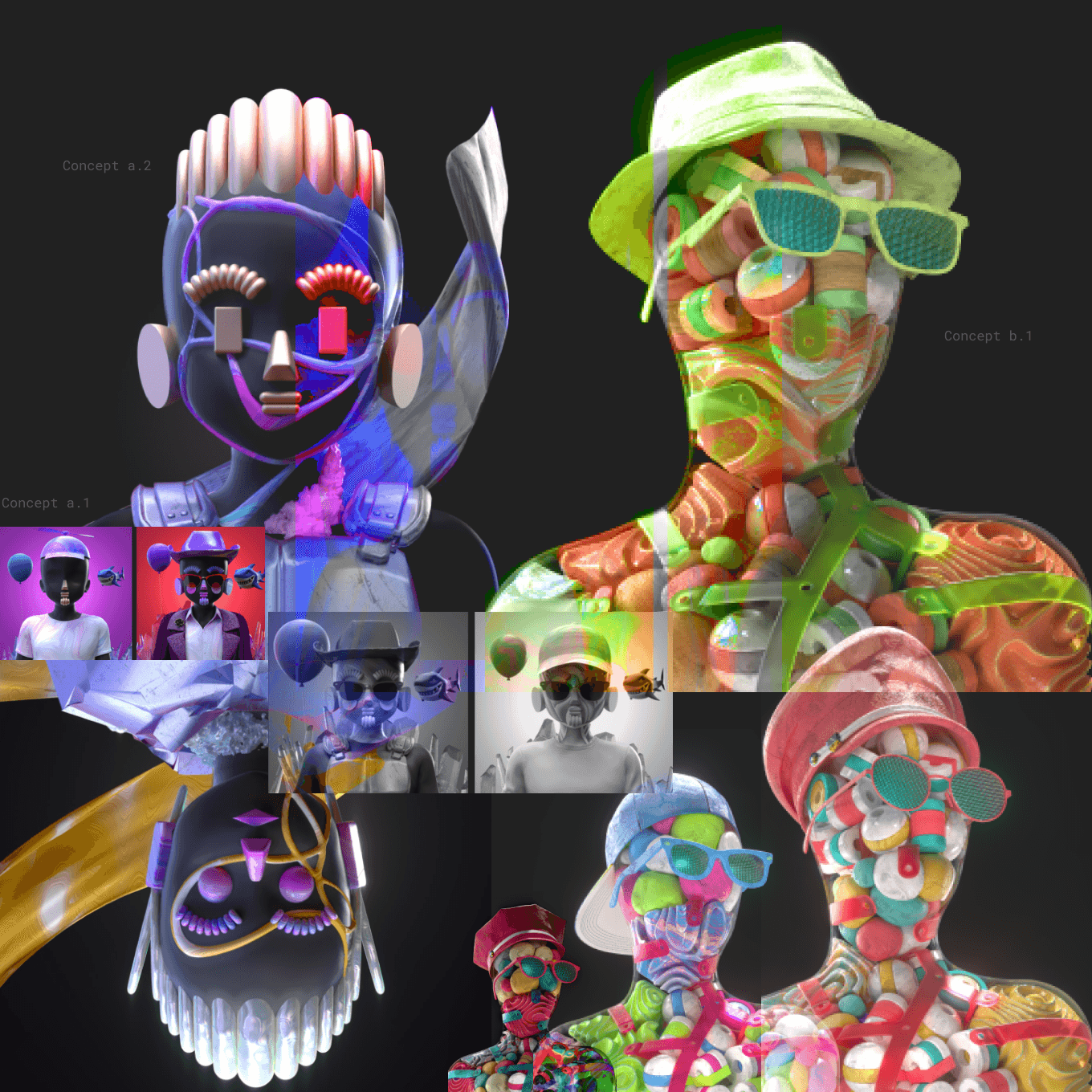
With the concept defined, I started looking for a creative partner who could bring it to life. I reached out to dozens of artists and studios working in NFTs. Eventually, I found some, and while early results were promising, none captured the abstract, emotional tone I had in mind.
As more time passed, the technical limitations became obvious. At that point, our understanding of how evolving NFTs worked at scale was still limited. Every expert I spoke with said the same thing:
Our original idea would require far more time, budget, and computational power.
The deeper the exploration went, the more impossible it seemed.
During these conversations, I heard the advice. “You need Houdini.” At first, I thought we needed a magician… Houdini turned out to be software for generative 3D visuals, widely used in complex digital art projects. That was my first real clue about where to go next.
Understanding generative art helped me see how logic and visuals could work together, which shaped the next search for a team capable of building it.
One of our founders connected me with the snark.art team, known for their expertise in pure procedural generation. They loved the DNA concept, but the good news ended with a simple “but.” Pure procedural generation would require enormous computing power, and rendering a single NFT could take hours.
During the call, we stumbled onto an idea that changed everything.
Instead of generating each NFT entirely through code, we could pre-generate the visual levels and states, upload them as PNG layers, and assemble each NFT image dynamically on our backend. Some parts would appear at mint. Others would evolve over time based on the wallet state. The NFT would still feel unique and alive, without the heavy computational cost.
It was the breakthrough we needed. Not fully decentralized, but practical, scalable, and true to the spirit of the idea.
When you're stuck, pushing harder rarely helps. Stepping back, changing perspective, and involving people with different expertise often unlocks the solution. Complex things are built through collaboration, not in isolation.
[execution]
With this refined plan, I contacted shuka.design, the studio that had previously helped with Zerion’s rebranding. After presenting the updated Zerion DNA concept, they agreed to take it on.
For the first time in months, momentum returned to the project. We had about three months left to produce everything: visuals, backend, protocol, integration, product, and marketing. The amount of work ahead was huge, but the process felt structured and collaborative.
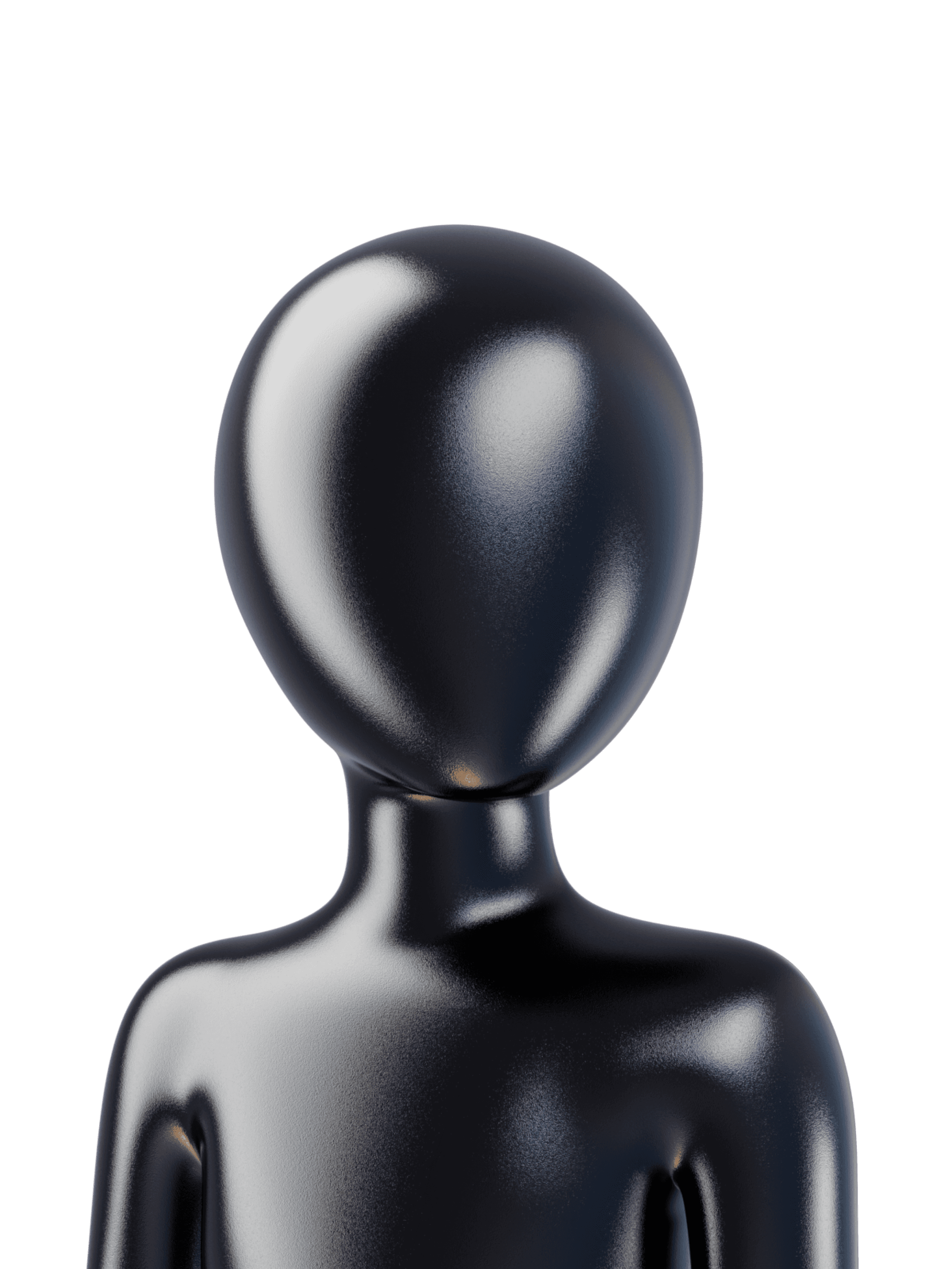
Still, one challenge stood above all: the DNA body. It was the core of the onchain identity.
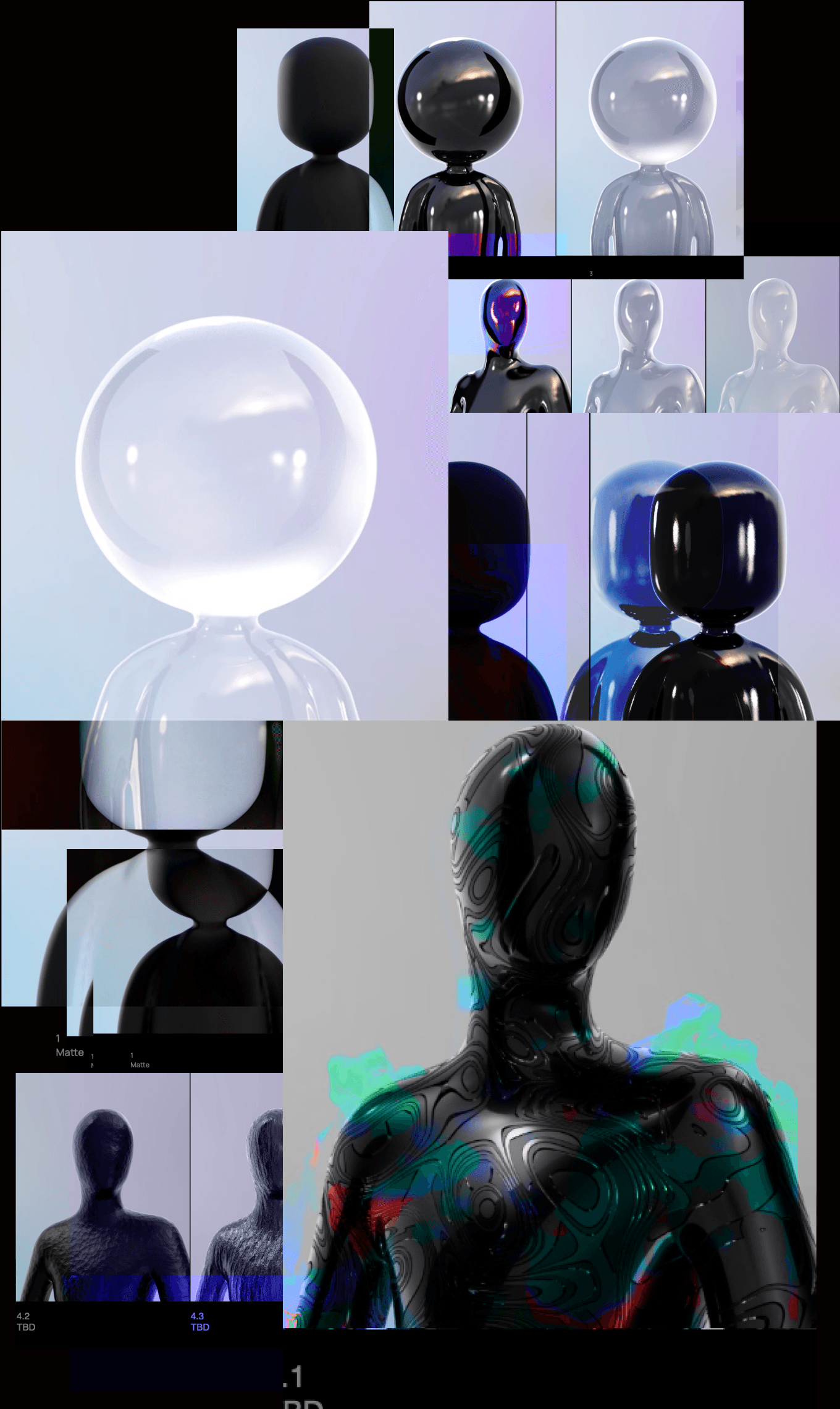
This layer was both my favorite and my biggest frustration. While working on the logic behind each layer, I wanted Zerion DNA to connect with Zerion not just by name, but through something more subtle and nuanced. One of Zerion’s core values is “It’s All On Chain,” which emphasizes honesty, openness, and proactive behavior. That inspired the idea of making the body gradually transparent over time, becoming fully visible, just like data on a blockchain. Conceptually, it sounded simple. Technically, it was the hardest part of the entire system.
[sketches]
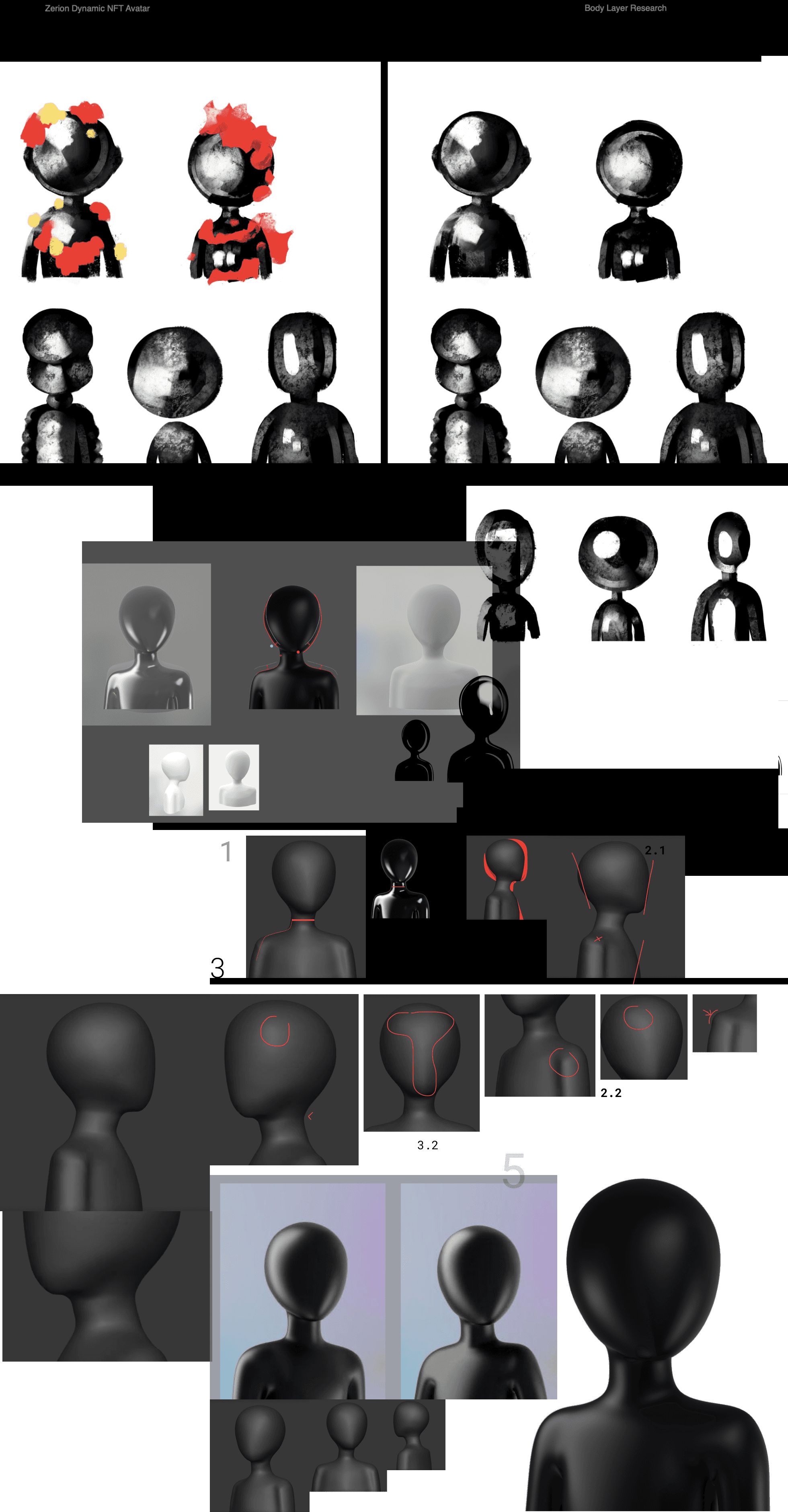
A shape was needed that could grow across multiple levels, remain visually consistent, and allow other layers to sit on top with proper shadows, depth, and dimension. The most intense debates centered around the body. There was a strong design vision, but it had to coexist with the realities of 3D production.
Finding that balance took dozens of experiments and a few unexpected breakthroughs.
TO KEEP THE SYSTEM COHERENT, WE DEFINED THE EMOTIONAL TONE OF EACH BODY TYPE BEFORE GOING DEEPER INTO PRODUCTION WITH OTHER LAYERS.
EXTRAVERT
CHEERFUL, SOFT, BRIGHT, ACTIVE, ROUNDED, PUFFY SHAPES
INTROVERT
SERIOUS, SYMMETRICAL, GEOMETRIC FORMS, DENSE SURFACES
BALANCE
LIGHT, AIRY, GENTLE, CAPES AND LIGHT MATERIALS
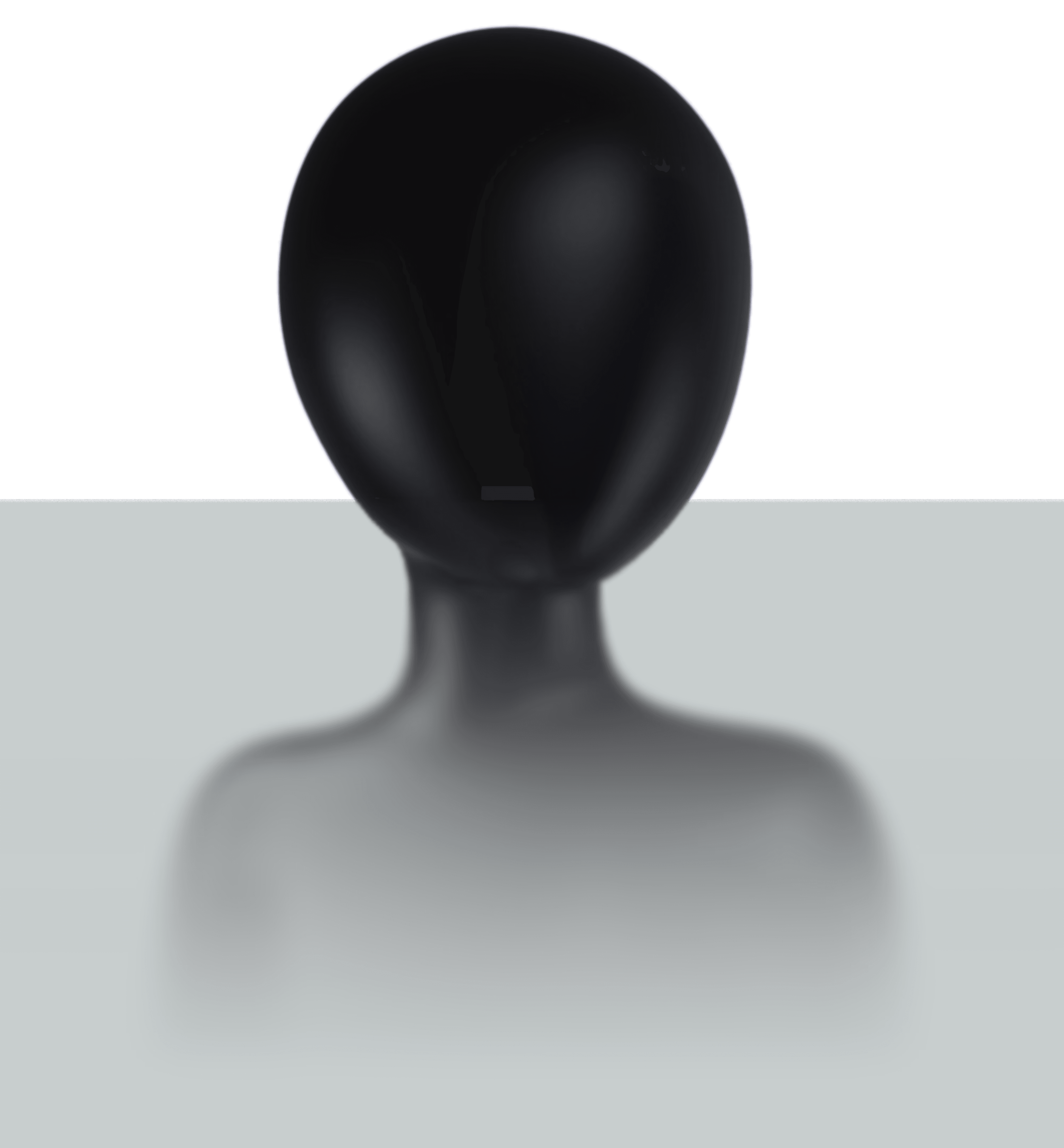
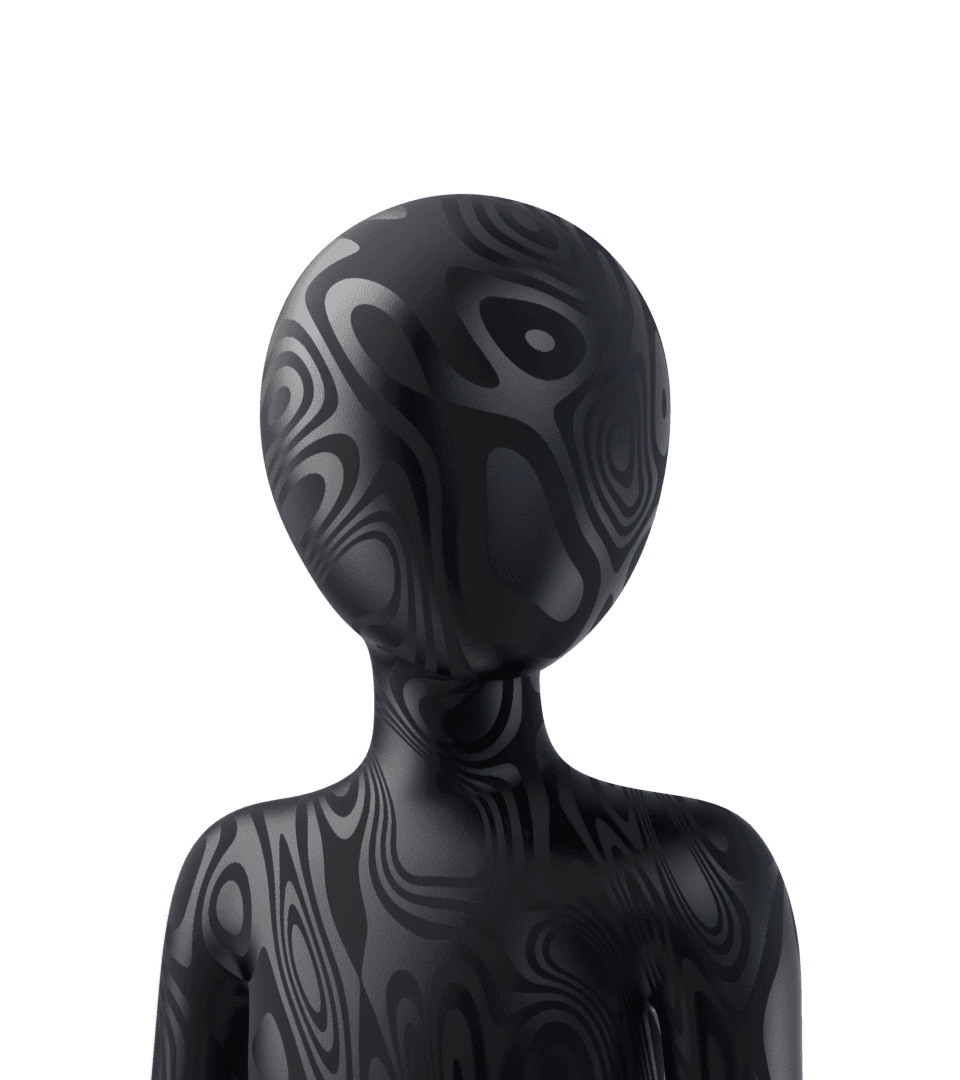
We found the final pose and shape for the body and added levels to it. Over time, the body would evolve from solid to fully transparent. The concept came from the idea of blockchain transparency.
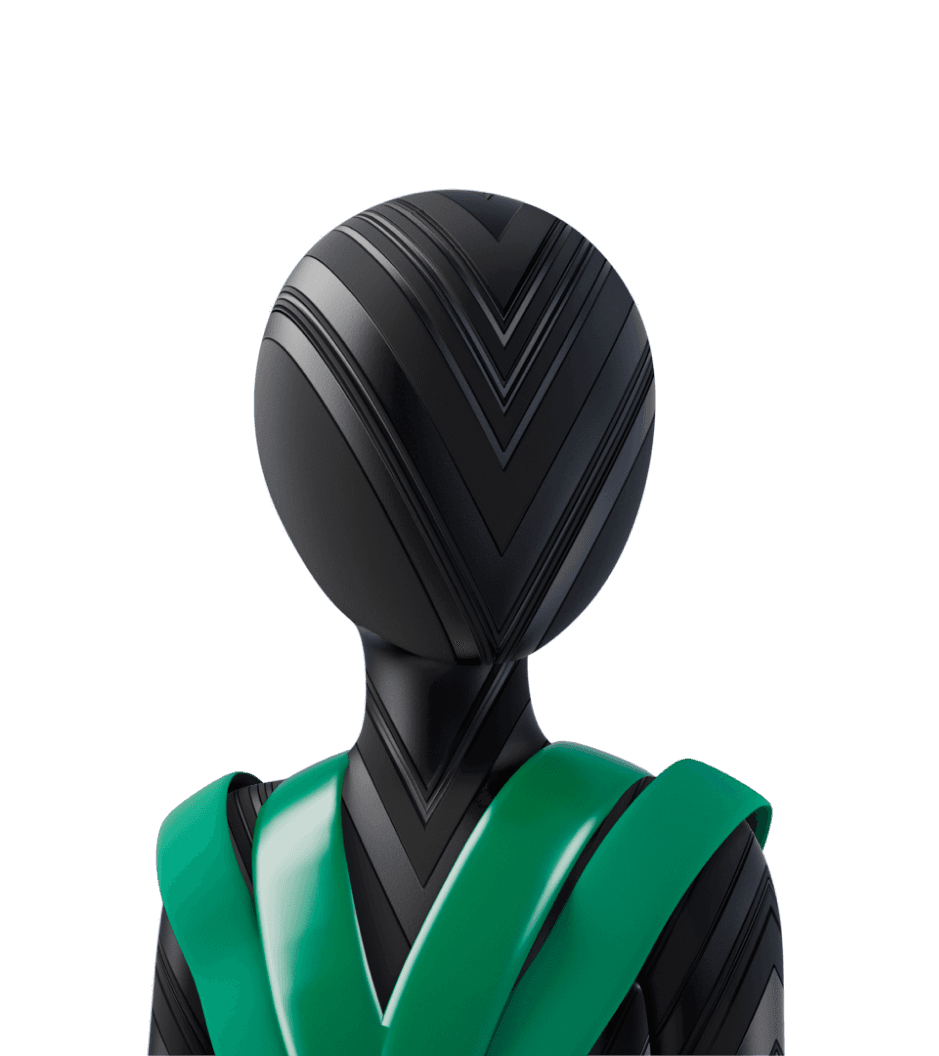
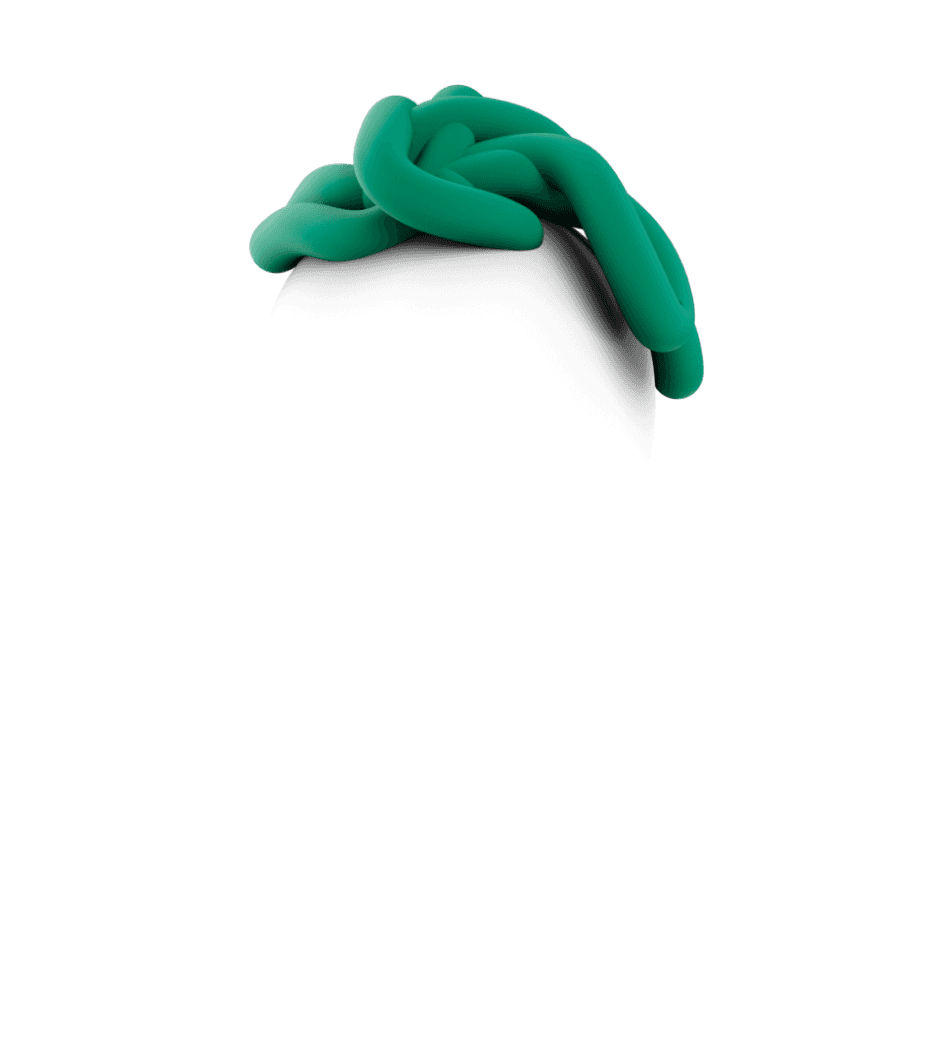
Then we started with the Head. The head evolved based on your total number of transactions. It was a static attribute, since transaction count only grows.
1
2
3
4
5
6
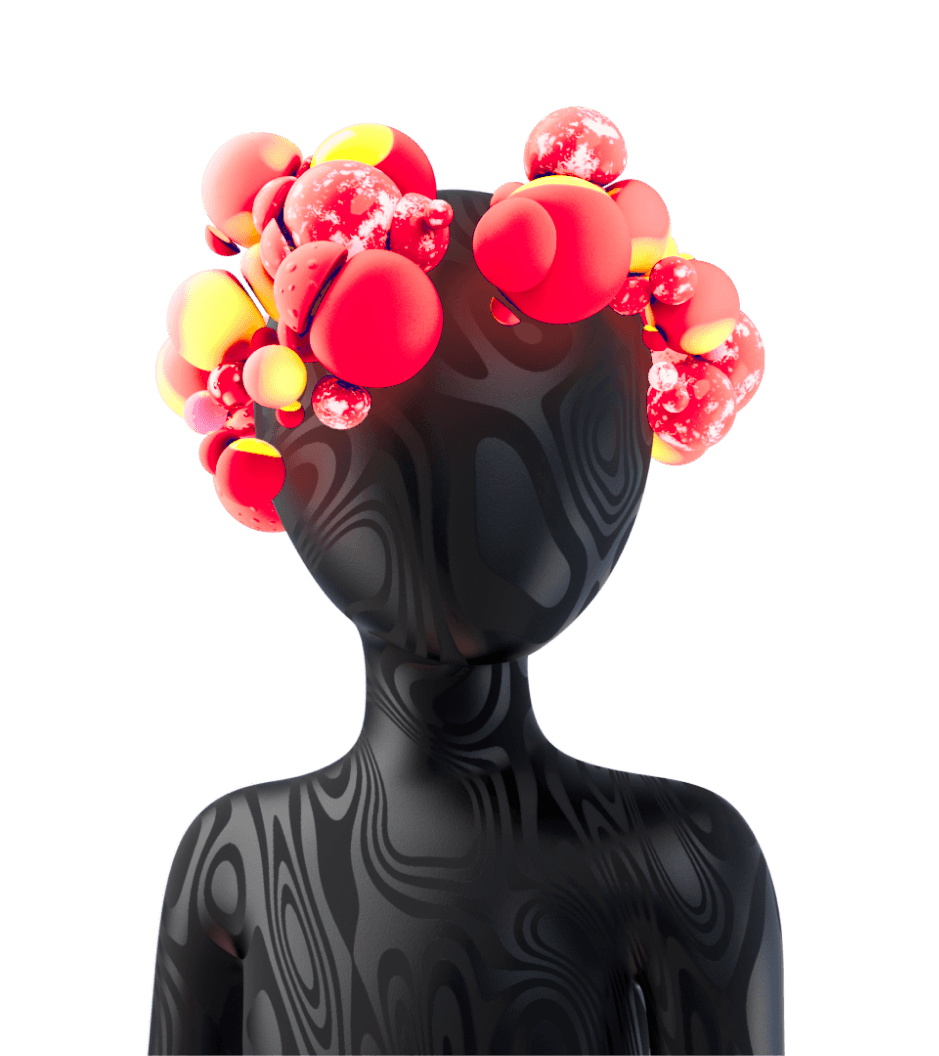
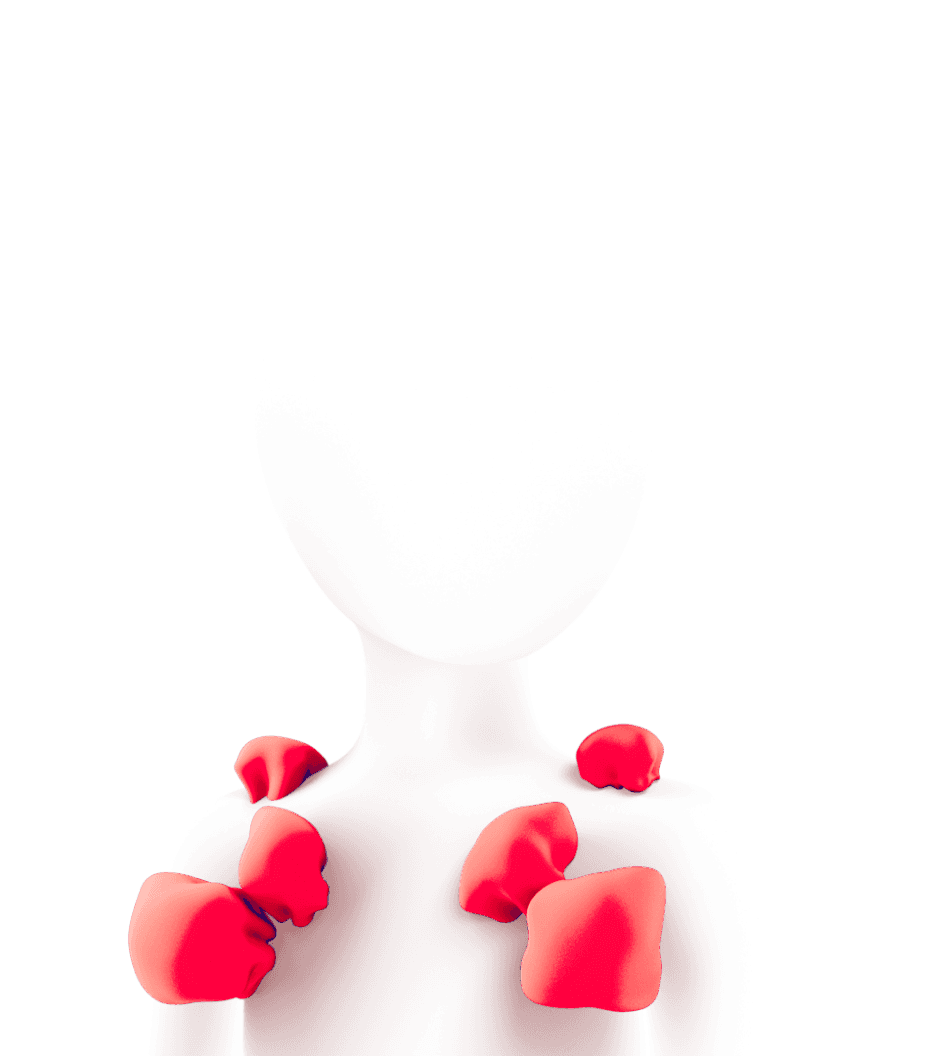
Wallet balance defines the complexity of clothing. The higher the balance, the more complex the style. Pure dynamic attribute, because balances naturally rise and fall.
1
2
3
4
5
6
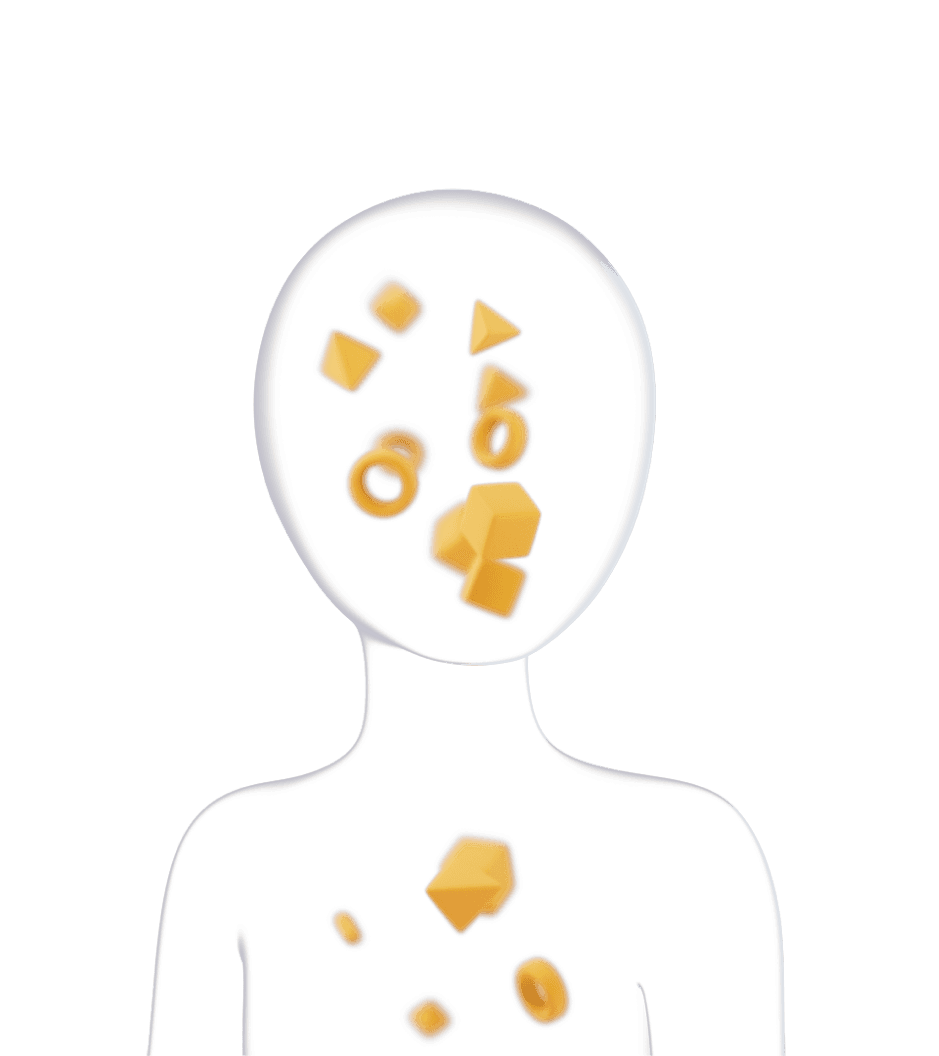
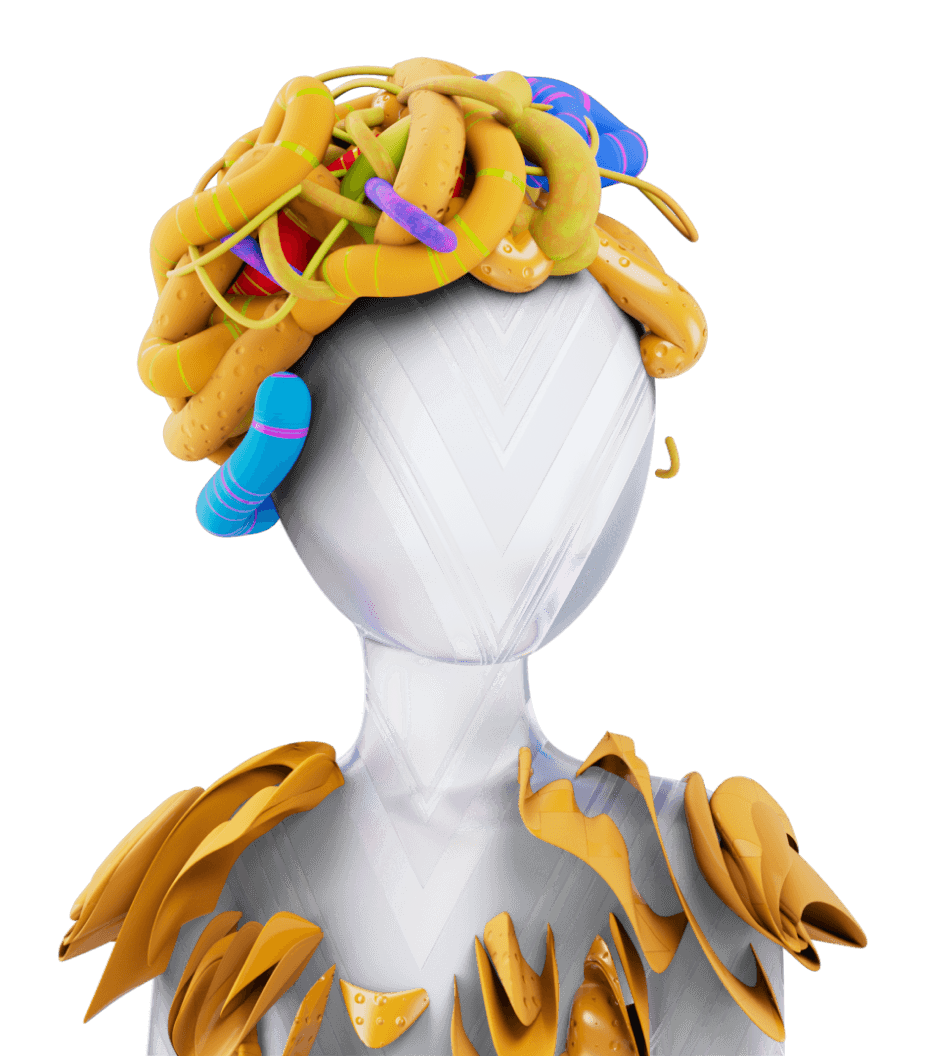
This layer reflected how many different tokens you held. It sat within the body, becoming more visible as the body grew transparent. More tokens created more internal elements.
1
2
3
4
5
6
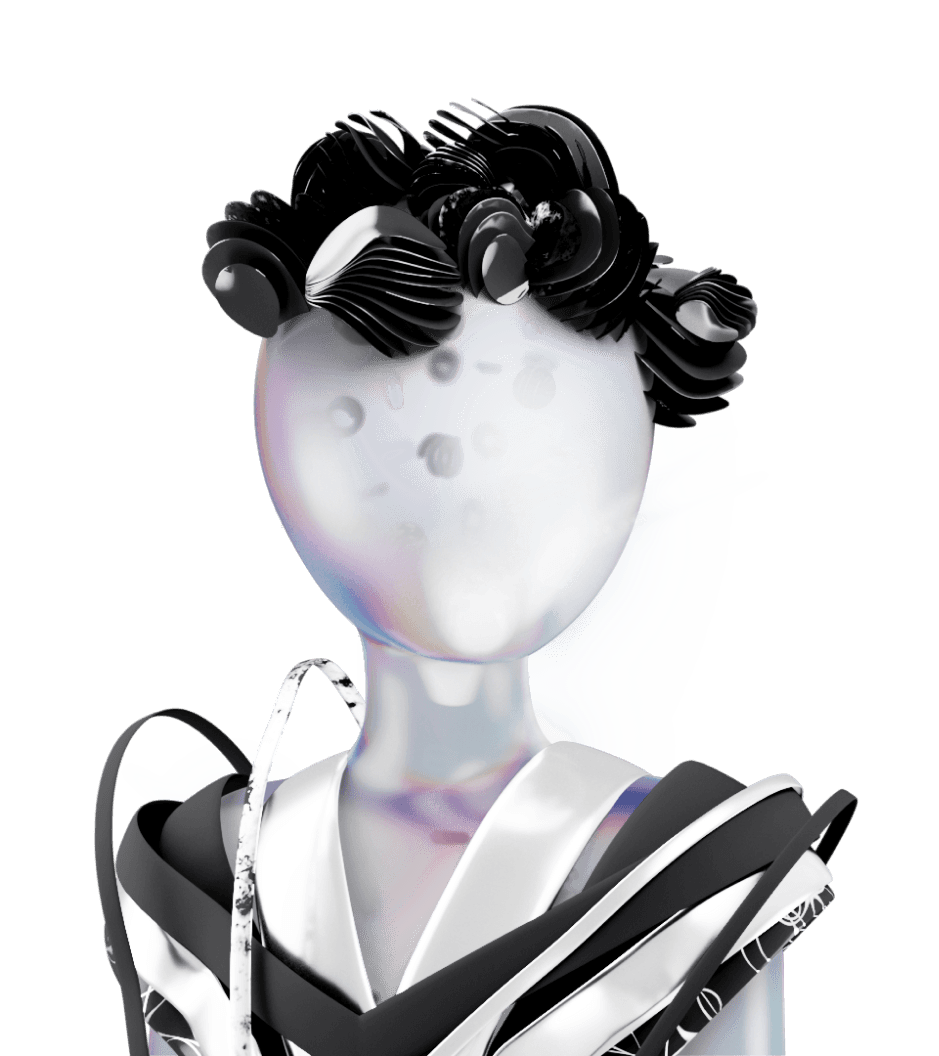
The background represented the total gas spent and visualized the intensity of your onchain activity.
1
2
3
4
5
6
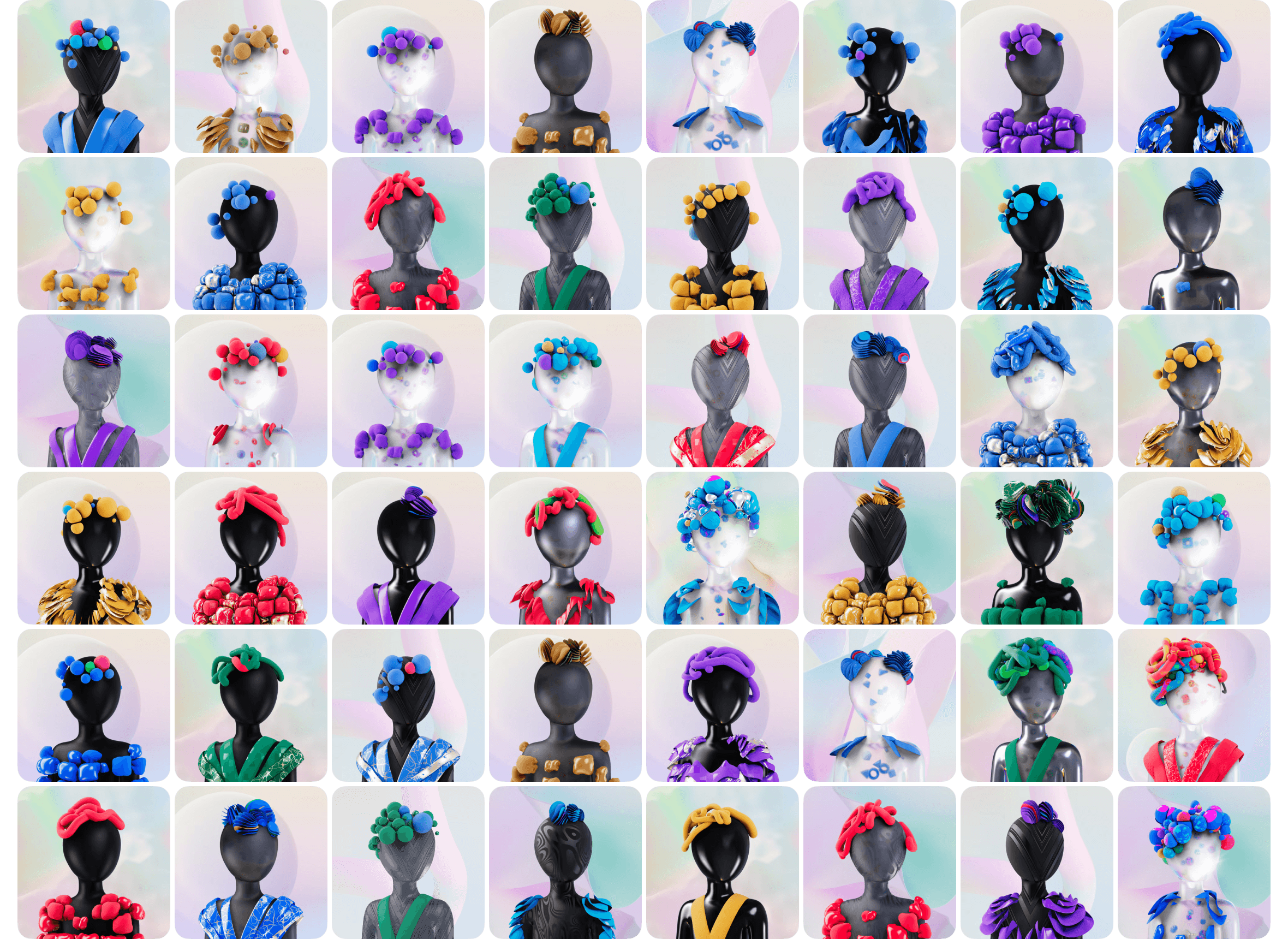
We noticed that Web3 communities often express their identity through colors. We wanted the NFT to capture that feeling of belonging. Since Zerion supported about eleven networks at launch, the NFT’s dominant color matched the network where you held the highest balance.
The launch of Zerion DNA far exceeded our expectations. In the first hours after minting opened in May 2022, the smart contract became the 4th biggest gas consumer on Ethereum. It was right behind giants like USDT, Uniswap, and OpenSea.
To bring DNA to life, we created thousands of unique visual layers, and it took an entire week to render and optimize everything.
More than 35,000 DNAs were minted in the first 2 weeks. By 2025, the collection grew to over 349,000 unique holders, at one point becoming the second-largest NFT collection on Ethereum by unique owners.
The reaction from the community was incredible. People immediately connected with the idea of a living onchain identity. Many users proudly showed off their DNA as PFP. 750k+ impressions from viral tweets!
The free mint lowered the barrier to entry. The mint became one of the most effective user acquisition tools we ever built: the NFT required users to download and use the wallet. What started as an idea about dynamic identity became a long-term system with engagement that lasted years.
Zerion DNA became the first scalable user-centric representation of an entire onchain life. Even well-known KOLs were amazed by it, calling it one of the freshest ideas in the space at that time.
[reflection]
ZERION DNA BEGAN AS A GTM CAMPAIGN. IT THEN EVOLVED INTO A COMPLETELY NEW WAY TO THINK ABOUT IDENTITY IN WEB3. WHAT SURPRISED ME MOST WAS HOW DEEPLY PEOPLE CONNECTED TO SOMETHING THAT REFLECTED THEIR OWN STORY, EVEN WITHOUT WORDS OR EXPLICIT CUSTOMIZATION. THE NFT REFLECTED IT NOT THROUGH TEXT OR NUMBERS, BUT THROUGH VISUALS THAT CHANGED AS THEY MOVED THROUGH THE SPACE.
THAT IS THE REAL POWER OF DESIGN. IT TURNS SOMETHING ABSTRACT INTO SOMETHING PERSONAL. WHEN IDENTITY REFLECTS BEHAVIOR INSTEAD OF PREFERENCE, ENGAGEMENT STOPS BEING PERFORMATIVE AND BECOMES PERSONAL.
[thanks]
I am deeply grateful to everyone at Zerion who contributed to this project. It was a truly collective effort. Everyone was passionate, involved, and committed to bringing it to life. Without your talent and hard work, this project would not have been possible.
For me, this remains one of the most inspiring projects of my career. What started as a campaign for the wallet release grew into something much bigger, not only for Zerion but for the Web3 community.